
"Indian espresso blends"
300 article(s) found

The Development of Coffee beans Coffee History of South America
[Colombia] is the world's second-largest coffee producer, accounting for about 12% of the world's annual output, which is much lower than Brazil's 30% to 35%, but most of them are high-quality mountain-washed beans. Central Colombia is divided into valleys by three north-south longitudinal mountains, of which the central and eastern mountains are the main coffee producing areas. The coffee here is named after the distributed market
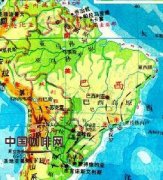
Basic knowledge of boutique coffee introduction to coffee in South America
[Colombia] is the world's second-largest coffee producer, accounting for about 12% of the world's annual output, which is much lower than Brazil's 30% to 35%, but most of them are high-quality mountain-washed beans. Central Colombia is divided into valleys by three north-south longitudinal mountains, of which the central and eastern mountains are the main coffee producing areas. The coffee here is named after the distributed market

The History and Culture of Fine Coffee Coffee History of South America
[Colombia] is the world's second-largest coffee producer, accounting for about 12% of the world's annual output, which is much lower than Brazil's 30% to 35%, but most of them are high-quality mountain-washed beans. Central Colombia is divided into valleys by three north-south longitudinal mountains, of which the central and eastern mountains are the main coffee producing areas. The coffee here is named after the distributed market

Fragrant and delicious Nicaraguan Coffee Manor: flavor and taste characteristics of Joy Manor
Since July 1927, Augusto. Cesar. Sandino led the people in a guerrilla war against the US occupation, forcing the US military to withdraw in 1933. On February 21, 1934, the Commander of the Nicaraguan National Guard, Anastacio. Somocha. Garcia assassinated Sandino at the behest of US President Roosevelt. He became president in 1936 and has been pro-American for more than 40 years since then.

What are the best types of coffee beans? recommended brewing coffee beans are preferred.
When we buy a bag of coffee from the supermarket, we will notice that there is more than one kind of coffee beans. But how many kinds of coffee beans are there? If you care about what kind of coffee you drink, you may have a headache about all the mixed information about the type of coffee. The label on the coffee bag doesn't help either. So let the front street coffee help solve the problem. Arabica coffee is the most common.
About Robusta coffee beans
"Robusta" coffee, commonly known as "sturdy beans", can be grown at low elevations (200 to 800 meters above sea level), has strong resistance to diseases and insect pests, is not vulnerable to agricultural disasters, has a high annual output per unit area, and is harvested in large quantities by machine. in general, the cost of production is much lower than that of Arabica coffee.

A brief introduction to the cultivation of Arabica boutique coffee beans, geographical location, climate and altitude
Good Arabica? Coffee requires complicated manual picking, selection and meticulous processing, so are the most expensive and best coffee beans in the world? Arabica? Grow coffee. Robusta? Growing coffee is usually used to produce instant coffee and canned coffee because of its low cost. A few of the better ones? Robusta? Growing coffee is also used in blending (with Allah)
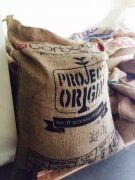
About the characteristics and uses of Robusta coffee beans
Robusta coffee, commonly known as "robust beans", can be grown at low altitudes (200 to 800 meters above sea level), is highly resistant to pests and diseases, is not susceptible to agricultural damage, has a high annual yield per unit area of coffee trees, is harvested in large quantities by machines, and generally costs much less than Arabica coffee. Robusta coffee usually has a bland, dull, pungent flavor, and is
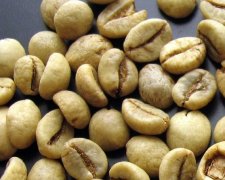
Robusta's secret.
[guide] "Robusta" coffee, commonly known as "thick beans", can be grown at low elevations (200 to 800 meters above sea level), has strong resistance to diseases and insect pests, is not vulnerable to agricultural pests, has a high annual output per unit area, and is harvested in large quantities by machine. in general, the cost of production is much lower than that of Arabica. "Robusta" coffee is commonly known as "stout beans", at low elevations (200 above sea level)
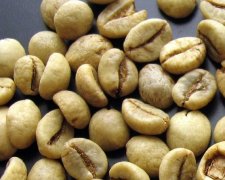
Robusta's secret.
[guide] "Robusta" coffee, commonly known as "thick beans", can be grown at low elevations (200 to 800 meters above sea level), has strong resistance to diseases and insect pests, is not vulnerable to agricultural pests, has a high annual output per unit area, and is harvested in large quantities by machine. in general, the cost of production is much lower than that of Arabica. "Robusta" coffee is commonly known as "stout beans", at low elevations (200 above sea level)
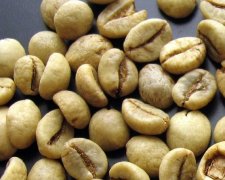
Robusta's secret.
[guide] "Robusta" coffee, commonly known as "thick beans", can be grown at low elevations (200 to 800 meters above sea level), has strong resistance to diseases and insect pests, is not vulnerable to agricultural pests, has a high annual output per unit area, and is harvested in large quantities by machine. in general, the cost of production is much lower than that of Arabica. "Robusta" coffee is commonly known as "stout beans", at low elevations (200 above sea level)
Introduction of major coffee producing areas in the world
Coffee comes from coffee beans, which are harvested and processed from the fruit of trees. Coffee trees grow at the center of the equator, between latitudes of 25 degrees south and north, and are called the homes of tropical or subtropical countries called coffee belts. At present, there are about 60 coffee-producing countries. Coffee is produced in South America, Central America, the West Indies, Asia, Africa, Arabia, the South Pacific and

The basic knowledge of coffee beans about Robusta coffee beans
"Robusta" coffee, commonly known as "sturdy beans", can be grown at low elevations (200 to 800 meters above sea level), has strong resistance to diseases and insect pests, is not vulnerable to agricultural disasters, has a high annual output per unit area, and is harvested in large quantities by machine. in general, the cost of production is much lower than that of Arabica coffee. "Robusta" coffee usually has an ordinary, rigid and pungent flavor, and because
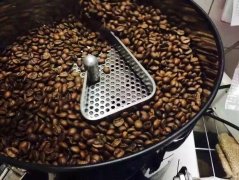
Introduction of major coffee producing areas in the world
Coffee comes from coffee beans, which are harvested and processed from the fruit of trees. Coffee trees grow at the center of the equator, between latitudes of 25 degrees south and north, and are called the homes of tropical or subtropical countries called coffee belts. At present, there are about 60 coffee-producing countries. Coffee is produced in South America, Central America, the West Indies, Asia, Africa, Arabia, the South Pacific and
How do you play coffee beans?
Since director Yun Xiang took us to drink Latin Punch in Pak Sha Wan (Lei Yue Mun Bay) on Hong Kong Island, the wine mixed with orange juice, apple, mint and lemon slices was amazing. The slightly tipsy light wine and strong fruit flavor were perfect for drinking on the beach in the scorching sun. Full of fragrance, he got into the car and roared away, extremely happy. Later, I played fresh ice washing.

The main coffee producing areas in the world introduce the types of fine coffee beans.
Coffee comes from coffee beans, which are harvested and processed from the fruit of trees. Coffee trees grow at the center of the equator, between latitudes of 25 degrees south and north, and are called the homes of tropical or subtropical countries called coffee belts. At present, there are about 60 coffee-producing countries. Coffee is produced in South America, Central America, the West Indies, Asia, Africa, Arabia, the South Pacific and
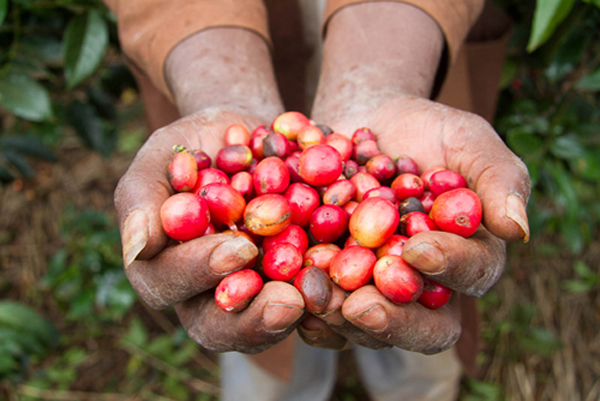
The most detailed introduction to coffee beans in the world. Coffee beginners must see the knowledge points
Coffee comes from coffee beans, which in turn are harvested and processed from the fruits of trees. Coffee trees grow at the equator as the center, between 25 degrees north and south latitude, known as the coffee belt tropical or subtropical countries home, coffee production countries currently have about more than 60 countries, coffee production in South America, Central America, West Indies, Asia, Africa, Arabia, South Pacific and

Knowledge of coffee
It is said that in the sixth century, a shepherd in Ethiopia found his sheep jumping everywhere. He carefully observed that the sheep had this excited reaction after eating only one kind of red tiredness. He tried to share the fruit among others, and all the people felt refreshed and refreshed after eating it, so the fruit was used as a pick-me-up.
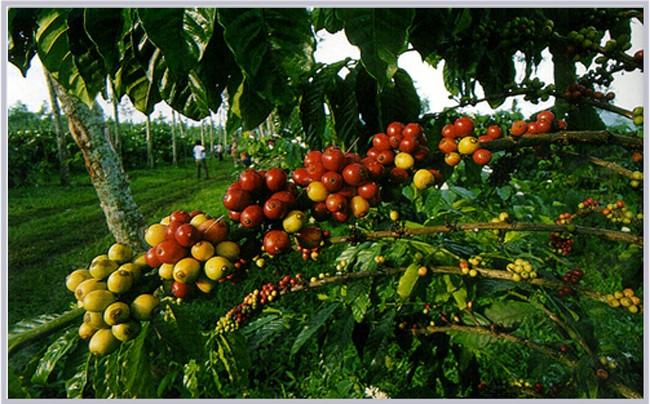
Coffee Estate Knowledge Points: Collection and classification of world boutique coffee estates in detail
Coffee comes from coffee beans, which are harvested and processed from the fruits of trees. Coffee trees grow at the equator as the center, between 25 degrees north and south latitude, known as the coffee belt in tropical or subtropical countries home, coffee beans are currently. Coffee comes from coffee beans, which in turn are harvested and processed from the fruits of trees. Coffee trees grow at the equator.

Twelve famous high-quality coffee producing areas in the world
one。 In 1808, coffee was first introduced to Colombia, which was brought by a priest from the French Antilles via Venezuela. Today the country is the second largest producer after Brazil. The origin of Colombian coffee: Jamaican Colombian coffee is one of the few original coffee sold in the world under the name of the country. In terms of quality, it